The Pre-Rental Bounce House Safety Checklist Every Parent Needs
The Pre-Rental Bounce House Safety Checklist Every Parent Needs
The biggest safety decisions for your bounce house rental happen before the kids even start jumping. While most parents focus on supervision rules and post-setup safety, the real safety work starts with choosing the right inflatable design for your specific event, age groups, and supervision capabilities.
Jump Around Party Rentals has delivered over thousands of bounce house experiences across Central Florida and Greater Austin, and we've learned that matching bounce house features to your user demographics prevents more accidents than any post-rental safety rule. Here's the pre-rental safety assessment that makes the difference.
Age Group Compatibility Assessment
Not every bounce house works safely for every age group, regardless of posted weight limits. The design features matter more than the capacity numbers.
For Ages 2-5 (Toddler Events):
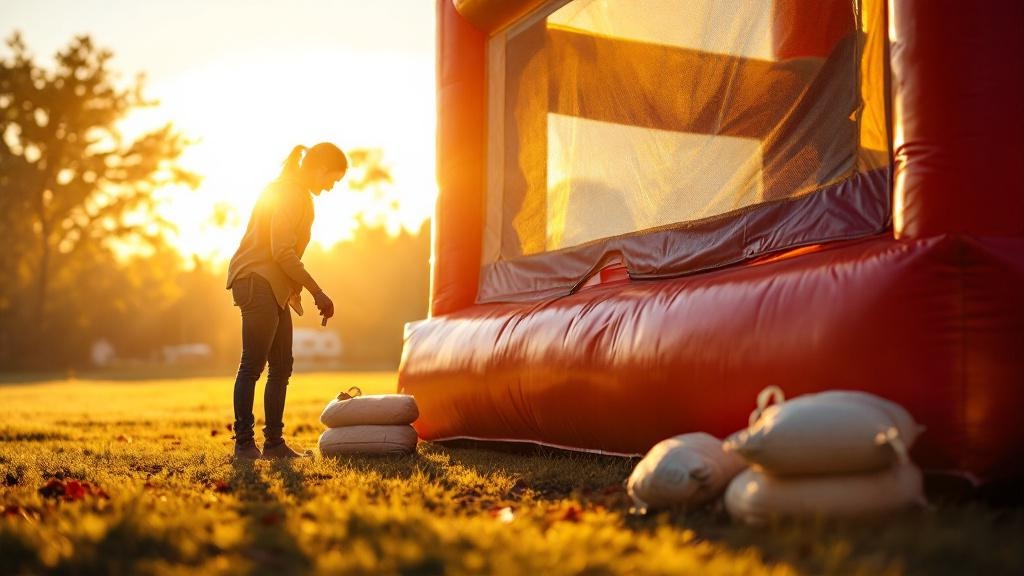
- Look for bounce houses with 12-inch or lower entry steps
- Confirm the bounce surface has minimal obstacles or internal features
- Ask about sidewall height - 4-foot walls work better than 6-foot for easy parent access
- Avoid combo units with slides or climbing features
For Ages 6-10 (Elementary School Events):
- Combo bounce house units with multiple features become safer options
- Internal obstacles like basketball hoops add engagement without safety risks
- Higher sidewalls (5-6 feet) provide appropriate containment
- Slide exits become manageable with proper supervision positioning
For Mixed Age Groups (Family Parties):
- Choose traditional bounce houses without complex internal features
- Look for designs with clear sight lines from multiple supervision points
- Avoid narrow entry/exit points that create bottlenecks
- Consider two smaller units over one large combo unit
Design Feature Safety Evaluation
Specific bounce house features create predictable safety scenarios. Here's what to evaluate during your rental selection:
Entry and Exit Points: Count the number of ways in and out. Our Let's Celebrate bounce house features dual entry points that prevent the bottleneck situations we see with single-entry designs during busy parties.
Internal Obstacles: Basketball hoops, pop-up obstacles, and climbing features change the collision dynamics inside the bounce house. For parties with aggressive play styles or poor supervision ratios, these features increase accident probability.
Netting vs. Solid Walls: Mesh netting provides better visibility for supervision but can create finger-catching risks. Solid vinyl walls reduce visibility but eliminate mesh-related injuries. Match this choice to your supervision strategy.
Floor Design: Flat bounce floors work best for mixed ages and less controlled environments. Angled or curved bounce surfaces in some combo units require more coordination and work better for specific age ranges.
Supervision Capability Matching
Your supervision setup should drive bounce house selection, not the other way around.
Single Adult Supervision:
- Choose bounce houses with 360-degree sight lines
- Avoid units where supervision requires moving between multiple positions
- Select designs where one adult can monitor entry, exit, and internal activity
- Skip water features or complex combo units
Multiple Adult Supervision:
- Larger combo units become viable with dedicated entry/exit monitors
- Water slide attachments work with proper positioning
- Obstacle courses require one supervisor per major section
Self-Supervising Age Groups:
- Teenagers and pre-teens can handle more complex designs
- Interactive game features like our Star Wars bounce house work well with responsible age groups
- Higher capacity limits become realistic with mature users
Property and Setup Considerations
Your physical setup impacts safety regardless of the bounce house design you choose.

Space Buffer Zones: ASTM standards require 6-foot clearances, but practical safety needs vary by bounce house type. Units with tall slides need more overhead clearance than traditional bounce houses. Combo units need wider side clearances for emergency access.
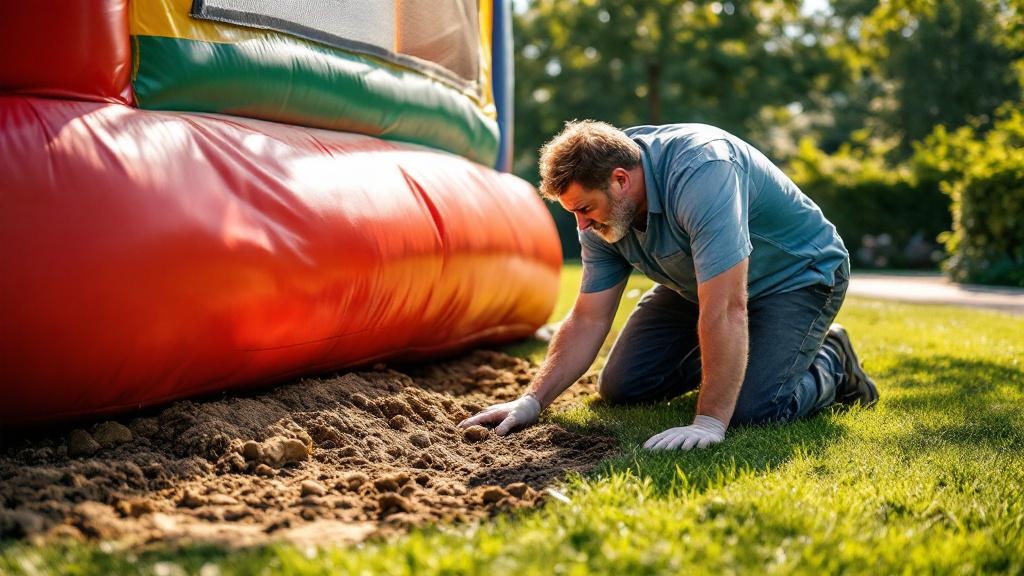
Ground Surface Evaluation: Sloped yards affect bounce house stability differently depending on the design. Long, narrow units like obstacle courses are more sensitive to ground slope than square traditional bounce houses.
Weather Contingency Planning: Some bounce house designs handle wind conditions better than others. Tall slide attachments create more wind resistance than low-profile traditional bounce houses. Plan your backup options based on your specific rental choice.
ASTM Compliance and Certification Verification
All our bounce houses meet ASTM F24 Committee standards, but different designs address safety requirements differently.
Ask these specific questions:
- What's the ASTM-tested capacity for your specific age range (not just total weight)?
- How does the anchoring system work for your chosen design?
- What are the wind speed limitations for your specific bounce house model?
- How do emergency evacuation procedures differ for combo vs. traditional units?
At Jump Around Party Rentals, we provide ASTM documentation for each specific bounce house design, not just generic safety information. Our delivery team explains the safety features specific to your rental choice during setup.
Common Pre-Rental Safety Mistakes
After setting up thousands of bounce house rentals, we see the same selection mistakes that create safety issues:
Choosing Based on Theme Instead of Function: Parents pick the Baby Shark bounce house because their child loves the character, without considering whether the design features match their supervision plan and age group mix.
Ignoring Mixed-Age Dynamics: Large combo units look exciting for family parties, but they create supervision challenges when toddlers and older kids use the same space with different safety needs.
Underestimating Setup Logistics: Complex combo units require more setup time and space, which affects your party timeline and creates rush situations that compromise safety checks.
Overlooking Exit Strategy Planning: Some bounce house designs make quick evacuation difficult if weather changes or accidents occur. Single-exit designs create bottlenecks during emergency situations.
Decision Framework for Safe Selection
Use this decision tree when choosing your bounce house rental:
- Identify your primary user age range (not the age spread, but where 70%+ of users fall)
- Count your reliable supervision adults (not total adults attending, but those who will actively monitor)
- Assess your setup constraints (space, ground conditions, weather backup plans)
- Match bounce house features to these three factors before considering themes or exciting add-ons
- Plan supervision positions for your specific bounce house choice before delivery day
The safest bounce house rental is the one that matches your specific situation, not necessarily the biggest or most feature-packed option.
Frequently Asked Questions
What makes one bounce house design safer than another for the same age group?
Entry point design, internal obstacle placement, and sight line accessibility for supervision make the biggest safety differences. A traditional bounce house with clear sight lines and easy access points will be safer for mixed ages than a combo unit with multiple activity zones requiring different supervision strategies.
How do I know if a bounce house is appropriate for my specific yard setup?
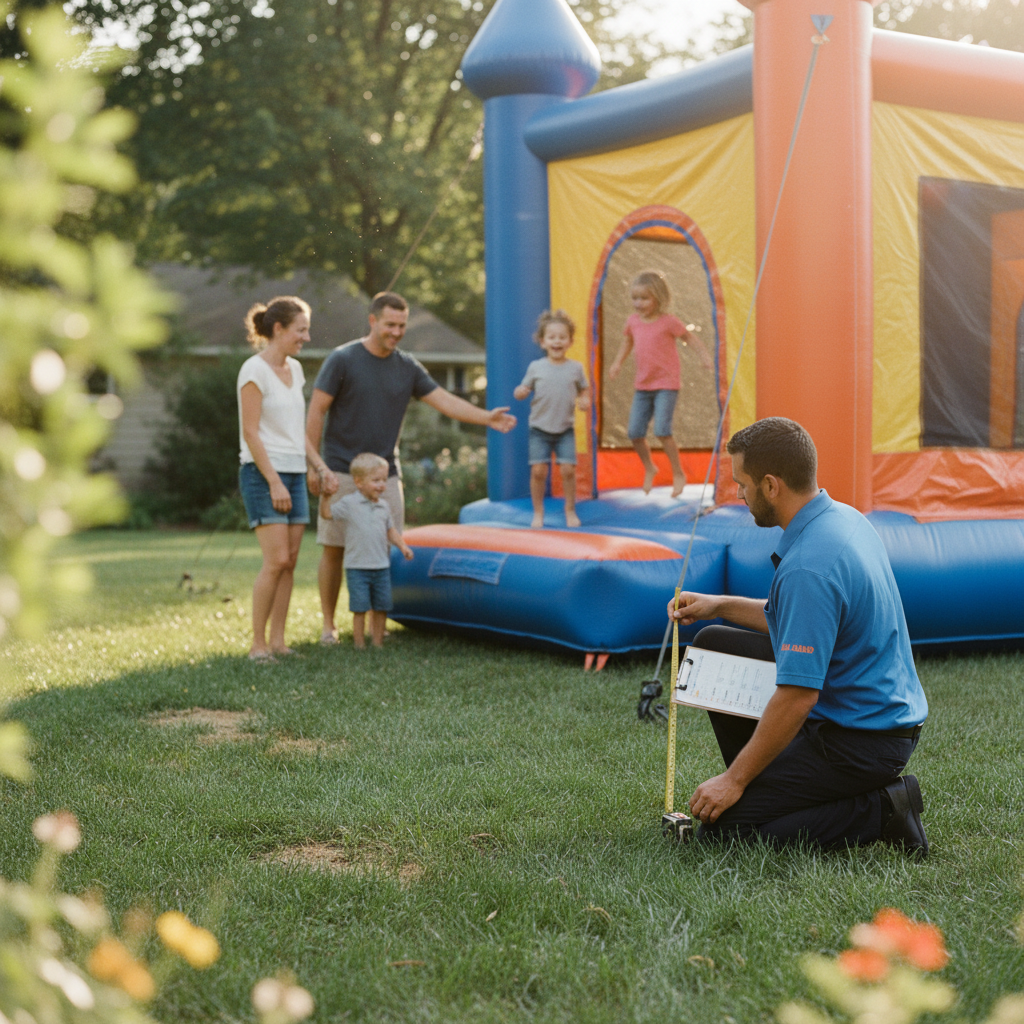
Measure your available space and compare it to the bounce house footprint plus required clearances. Consider ground slope, overhead obstacles, and emergency vehicle access. Call us at 512-294-2221 for a site evaluation if you're unsure about compatibility.
What should I ask about ASTM compliance beyond basic certification?
Ask for the specific ASTM test results for your chosen bounce house model, including age-specific capacity limits, anchoring requirements for your ground type, and wind speed restrictions. Generic ASTM compliance doesn't tell you about design-specific safety considerations.
Can I change bounce house selections if my party circumstances change?
Yes, but timing matters. Changes made more than 24 hours before delivery are usually accommodated without fees. Last-minute changes may have limited options based on availability and delivery logistics.
How do supervision requirements differ between traditional and combo bounce houses?
Traditional bounce houses typically need one adult who can see the entire bounce area. Combo units with slides, climbing walls, or obstacle features need multiple supervision positions and more active monitoring of entry/exit points.
📅 Upcoming Events & Webinars
Stay updated with our latest Bounce house safety guidelines events, workshops, and industry insights.
View Our Calendar →Related Resources
- Jump Around Party Rentals - Expert Resource
- Bounce house safety guidelines Data & Analysis
- Bounce house safety guidelines Presentation
- Jump Around Party Rentals Official Page
- Bounce house safety guidelines Events
- Bounce house safety guidelines Resources
- Bounce house safety guidelines GitHub Resources
- Bounce house safety guidelines Blog Post
- Bounce house safety guidelines Service Area Map
Comments
Post a Comment