How Peach Valley Farms Cut Waste Costs by 40% in Six Months
How Peach Valley Farms Cut Waste Costs by 40% in Six Months
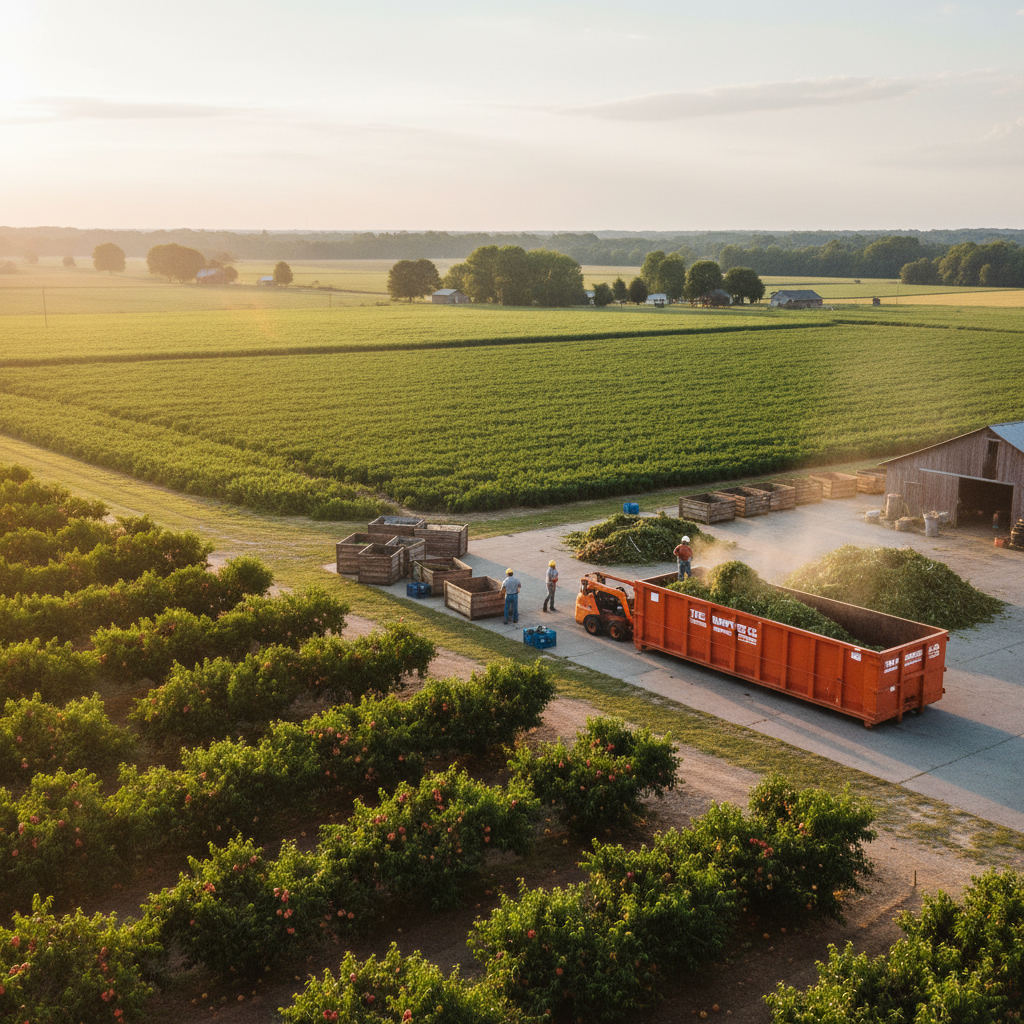
Last spring, I watched Sarah Mitchell, owner of Peach Valley Farms here in Jackson, stare at a $3,200 monthly waste bill with genuine frustration. Her 50-acre operation was generating mountains of organic waste, damaged packaging, and seasonal debris that seemed to multiply overnight. Six months later, that same bill reads $1,920, and Sarah's telling everyone who'll listen about the transformation.
This isn't another generic success story. It's a detailed look at how one Jackson GA agricultural business tackled waste management head-on and achieved measurable results. As someone who's worked with The Dumpster Co. on dozens of agricultural projects, I've seen this pattern repeat: the right approach to waste management doesn't just reduce costs—it transforms operations.
The Challenge: When Waste Overwhelms Operations
Sarah's situation was painfully common among Jackson's agricultural businesses. Peach Valley Farms processed roughly 2,000 pounds of produce daily during peak season, generating substantial organic waste, damaged fruit, cardboard packaging, and plastic containers. The problems compounded quickly:

- Multiple weekly pickups costing $800 each
- Contaminated loads resulting in penalty fees
- Staff spending 6 hours weekly managing waste logistics
- Overflow situations during harvest peaks
- No clear separation system for recyclables versus organic matter
The breaking point came during a surprise Georgia Department of Agriculture inspection. While the farm passed health standards, the inspector noted waste management inefficiencies that could impact future certifications. Sarah knew something had to change.
What made this particularly challenging was the seasonal nature of agricultural waste. Spring planting generates different debris than summer harvest or fall cleanup. Most waste management companies treat all customers the same, but agricultural operations need flexibility that matches their production cycles.
The Partnership: Right-Sizing Solutions for Agricultural Needs
At The Dumpster Co., we approach agricultural waste differently than residential or standard commercial projects. When Sarah contacted us, we didn't start with container sizes—we started with understanding her operation's rhythm.


Our initial assessment revealed three distinct waste streams that required different handling:
Organic Production Waste: Damaged fruit, processing byproducts, and plant material that could be composted rather than landfilled. This represented nearly 60% of total waste volume but was being treated as general refuse.
Packaging and Materials: Cardboard boxes, plastic containers, and shipping materials that needed consistent removal but could be recycled if properly separated.
Seasonal Debris: Equipment maintenance waste, construction materials from facility upgrades, and large-volume cleanups that happened irregularly but predictably.
We designed what I call the "Agricultural Flexibility Framework"—a service model that adapts to seasonal demands rather than fighting them. For Peach Valley Farms, this meant:
- Two permanent 20-yard containers for ongoing waste separation
- On-demand 30-yard containers for peak season overflow
- Specialized pickup scheduling that matched harvest cycles
- Clear protocols for organic waste diversion to local composting facilities
Implementation: The Three-Phase Transformation
Phase 1: Immediate Separation and Cost Reduction (Month 1)
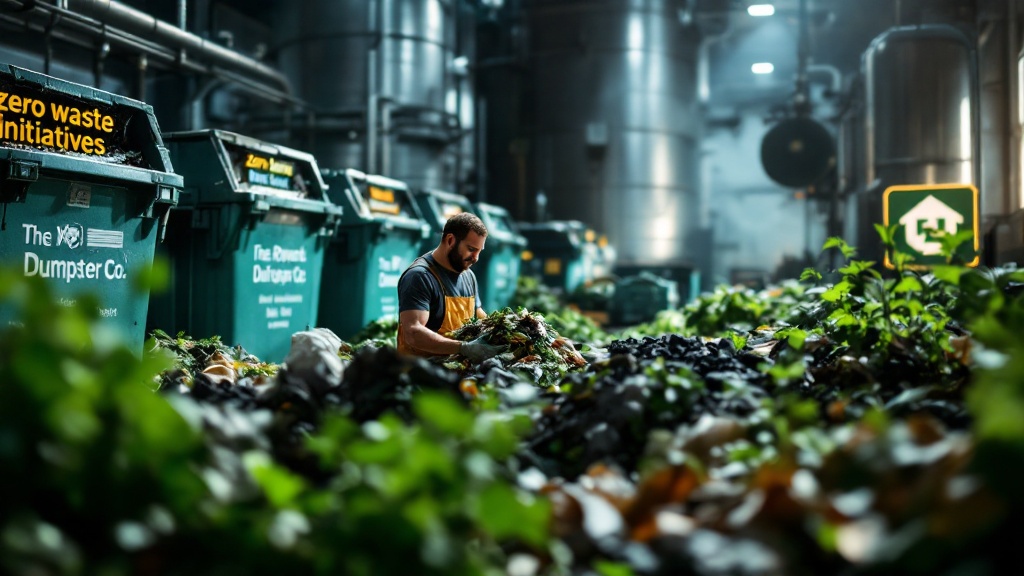
We started with the basics—proper separation saves money immediately. Sarah's team received training on our two-stream system: compostable organic matter in one container, everything else properly sorted in the second.
The results were immediate. Organic waste diverted to composting facilities costs 40% less per ton than general landfill disposal. In the first month alone, this shift saved $480.
Phase 2: Seasonal Scheduling and Efficiency (Months 2-3)
Agricultural operations don't generate waste on a neat Monday-through-Friday schedule. During peach season, Peach Valley Farms might fill containers in two days, then barely generate half a container the following week.
Our flexible pickup system matched this reality. Instead of paying for twice-weekly service year-round, Sarah moved to on-demand scheduling with 24-hour response times during peak periods. This alone eliminated roughly $200 monthly in unnecessary pickups during slow periods.
Phase 3: Supply Chain Integration (Months 4-6)
The breakthrough came when we connected Sarah with Jackson's emerging agricultural waste recovery network. Local horse farms needed composted organic matter, and a startup company was collecting clean cardboard for specialized agricultural packaging.
These connections turned waste streams into revenue streams. Instead of paying $120 per ton for organic waste disposal, Peach Valley Farms now receives $30 per ton for clean compostable material. The math gets compelling quickly at agricultural volumes.
Results: Measurable Impact Beyond Cost Savings
After six months, the transformation extended well beyond Sarah's monthly waste bill:
Cost Reduction: Monthly waste expenses dropped from $3,200 to $1,920—a 40% decrease that translates to $15,360 annual savings.
Operational Efficiency: Staff time spent on waste management dropped from 6 hours weekly to roughly 90 minutes, freeing up 4.5 hours for productive farm work.
Environmental Impact: Waste diversion increased from 15% to 78%, with most organic matter now composted locally rather than landfilled.
Compliance Benefits: Structured waste management simplified record-keeping for agricultural certifications and inspections.
Revenue Generation: Clean organic waste and separated recyclables now generate approximately $150 monthly in direct payments.
The real surprise was how proper waste management improved other aspects of the operation. Better organization around waste led to better organization around inventory, equipment maintenance, and production scheduling. Sarah describes it as a "domino effect of efficiency."
Lessons Learned: What Works for Agricultural Businesses
Working with Peach Valley Farms and similar operations throughout our service areas has taught us several key principles for agricultural waste management:
Seasonality Matters More Than Volume: Agricultural businesses need waste management that flexes with their production cycles, not against them. Fixed schedules work against agricultural realities.
Separation Creates Value: Agricultural operations generate high-quality organic waste that has market value when properly separated. Mixed waste is just an expense; separated waste becomes a resource.
Local Networks Amplify Benefits: Connecting agricultural waste streams with local composting, feed production, or recycling creates economic benefits that extend beyond simple disposal cost reduction.
Staff Training Pays Immediate Dividends: Agricultural workers understand systems and processes. Give them clear protocols for waste separation, and they'll execute consistently.
Compliance Integration Reduces Administrative Burden: Waste management systems that align with agricultural certification requirements reduce paperwork and simplify inspections.
The Broader Impact: Agricultural Waste as Community Resource
Sarah's success has rippled through Jackson's agricultural community. Three neighboring farms have adopted similar approaches after seeing Peach Valley's results. More interesting is how this connects to broader agricultural sustainability trends.

The Georgia Farm Bureau's 2023 sustainability report indicates that agricultural waste recovery could reduce disposal costs statewide by 35% while supporting soil health initiatives. Local agricultural extension offices are now recommending waste audits as standard practice for farm efficiency assessments.
What we're seeing in Jackson reflects a larger shift in how agricultural businesses view waste—from inevitable expense to manageable resource. The key is having waste management partners who understand agricultural operations rather than trying to force agricultural businesses into commercial or residential service models.
Frequently Asked Questions
What makes agricultural waste management different from regular commercial service?
Agricultural operations generate waste in seasonal patterns rather than consistent weekly volumes. They also produce high percentages of organic waste that can be composted rather than landfilled, plus they often need flexible scheduling that matches harvest and planting cycles rather than standard business hours.
How quickly can agricultural businesses see cost savings from better waste management?
Most agricultural operations see immediate savings from proper waste separation—typically 15-25% reduction in the first month. Larger savings come from seasonal scheduling adjustments and waste stream diversion, which usually show full impact within 3-4 months.
What size dumpsters work best for agricultural operations?
It depends on the operation, but most agricultural businesses benefit from permanent 20-yard containers for ongoing waste streams plus access to larger 30-yard or 40-yard containers during peak seasons. The key is flexibility rather than fixed container sizes.
Can agricultural waste really generate revenue instead of just costing money?
Clean organic agricultural waste has market value for composting operations, and separated recyclables like cardboard often command premium prices due to their volume and cleanliness. Revenue potential varies by location and waste streams, but many agricultural operations can offset 20-40% of waste costs through proper diversion.
How does proper waste management help with agricultural inspections and certifications?
Structured waste management systems create clear documentation trails that inspectors appreciate. They also demonstrate environmental stewardship that supports organic certifications, sustainable farming designations, and good agricultural practices compliance.
📅 Upcoming Events & Webinars
Stay updated with our latest Agricultural and Food Processing Waste Solutions for Jackson GA Businesses events, workshops, and industry insights.
View Our Calendar →Related Resources
- The Dumpster Co. - Expert Resource
- Agricultural and Food Processing Waste Solutions for Jackson GA Businesses Data & Analysis
- Agricultural and Food Processing Waste Solutions for Jackson GA Businesses Presentation
- The Dumpster Co. Official Page
- Agricultural and Food Processing Waste Solutions for Jackson GA Businesses Events
- Agricultural and Food Processing Waste Solutions for Jackson GA Businesses Resources
- Agricultural and Food Processing Waste Solutions for Jackson GA Businesses Blog Post
- Agricultural and Food Processing Waste Solutions for Jackson GA Businesses Service Area Map



Comments
Post a Comment